Project-based learning: fostering creativity
In today's educational landscape, project-based learning has become an increasingly popular teaching approach.
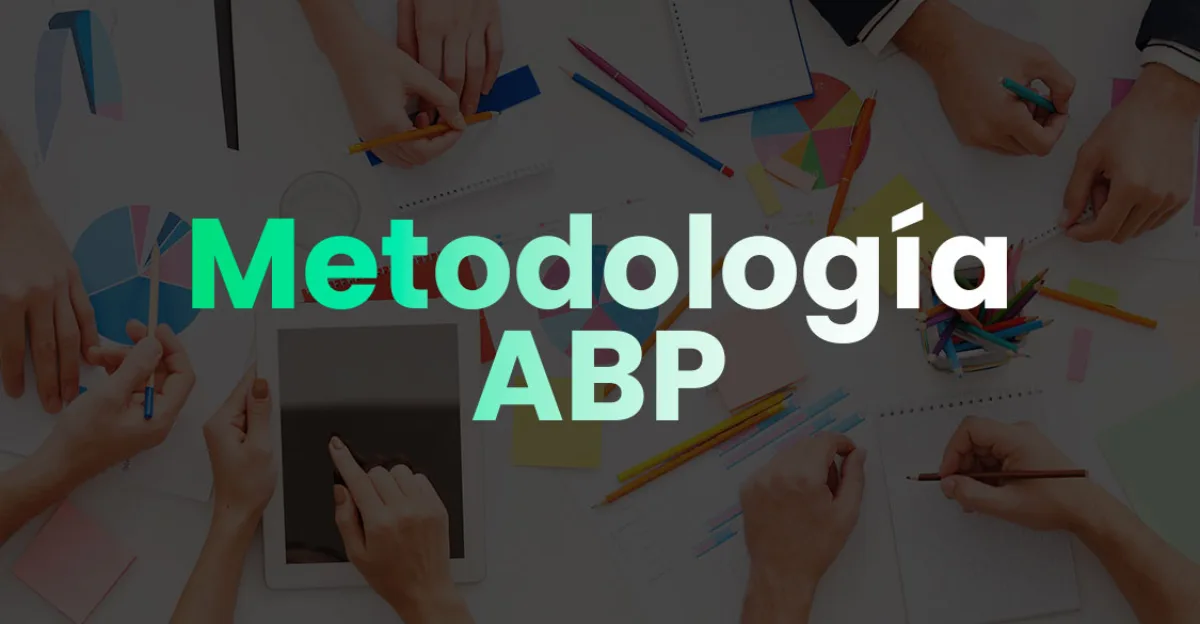
In today's educational landscape, project-based learning has become an increasingly popular teaching approach. It involves students actively engaging in solving real-world problems through meaningful projects. Instead of simply memorizing information, students become creators and problem solvers, which promotes deeper, longer-lasting learning.
Project-based learning fosters creativity by giving students the freedom to explore and propose unique solutions. When faced with a challenging project, students must apply critical thinking and imagination to find new ways of tackling the problem. This stimulates their brains to generate innovative ideas and develop critical and lateral thinking skills.
In addition, project-based learning also promotes collaboration among students. By working in teams, students learn to communicate, share responsibilities and make the most of individual strengths. Collaboration not only encourages socialization and teamwork, it also prepares students for the workplace, where effective collaboration is essential.
A key aspect of project-based learning is that projects are contextualized and relevant to students. By tackling real-world problems, students see the direct applicability of what they are learning and develop a deeper understanding of concepts and skills. This gives them a sense of purpose and motivation, which in turn increases their engagement and enthusiasm for learning.
Students can also:
- Build social and communication skills
- Strengthen their self-esteem
- Access technology resources
- Gain more autonomy
- Work as a team
Implementing project-based learning requires careful planning and a clear structure. Educators must design authentic, meaningful projects aligned with learning objectives and curriculum standards. They must also provide guidance and support to students throughout the process, encouraging reflection and metacognition. It is worth noting that with this methodology, students take center stage in the projects, while the teacher acts as a mentor or guide.
Don't miss: How are power skills shaping today's education?
An educational commitment
Many schools are embracing this methodology in their classrooms. In Spain, students from several institutions have developed learning projects using this approach:
– Virtual Museum: A humanities project carried out by fourth-year ESO (secondary school) students at Colegio Montserrat in Barcelona, as part of their Technology, Computer Science and History courses. The goal was to create a 360º virtual museum featuring international Baroque artworks. The project had several phases: immersion (activities, museum visits), scaffolding (activities, seminars, training with experts) and planning and preparation of the final product.
– The Tourist: A PBL project in which students created a Tumblr blog as an enriched tourist route. After visiting a city in person or digitally, students wrote a series of posts, researched its landmarks and created content around them.
In short, project-based learning is an educational approach that fosters creativity and collaboration, preparing students to face real-world challenges.
You may also be interested in: Toward the 2030 Agenda: What role does academic management play?