How ChatGPT impacts students' learning
Using artificial intelligence in the classroom offers many opportunities to boost and energize the teaching and learning process.
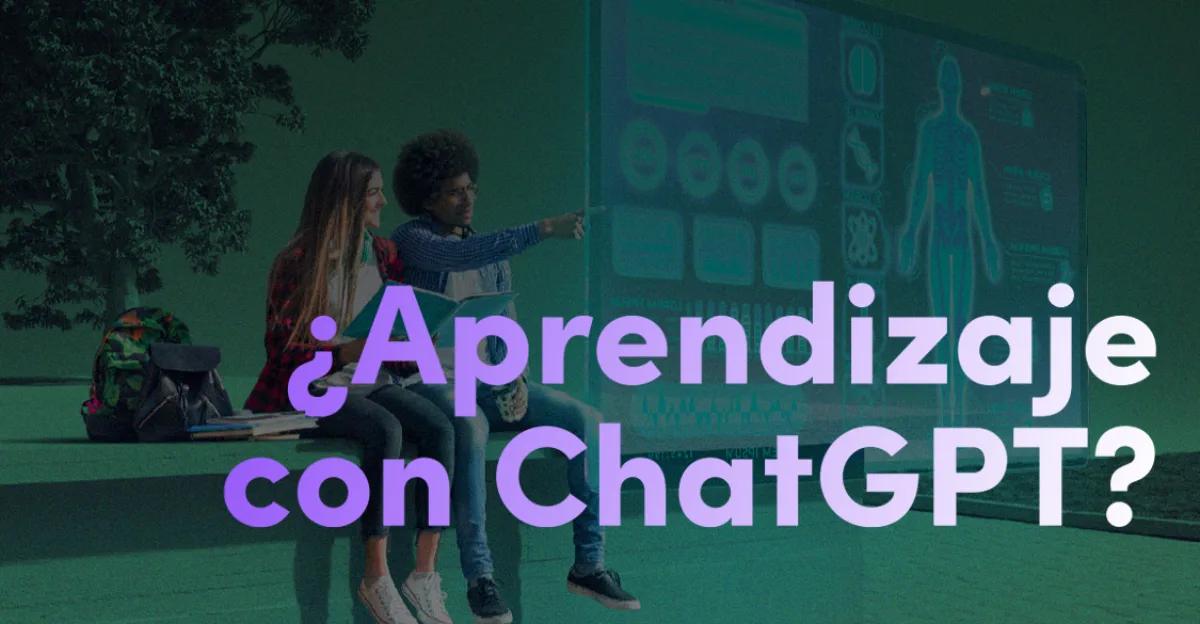
Using artificial intelligence in the classroom offers many opportunities to boost and energize the teaching and learning process. However, with the rise of the chat system known as ChatGPT, exploring these benefits also means facing a number of concerns, such as:
- Could the use of artificial intelligence make students dependent on it?
- What will happen to the development of critical thinking if information is handed to students automatically?
- Is there a risk that it will replace teachers' skills and experience?
ChatGPT in the classroom: exploring the opportunities and challenges of artificial intelligence
To answer these questions, we should first remember that, over the years, many tools have emerged that also worried teachers at the time. Today, however, the everyday use of calculators and spell checkers does not mean the human factor can be set aside entirely when doing math or editing texts.
Likewise, smartphone virtual assistants and internet search engines have not replaced the human ability to request and look for information.
With that in mind, let's move on to the answers to our questions.
Can ChatGPT make students dependent on it?
Although ChatGPT is a great opportunity to promote independent learning and encourage students to take charge of their own education, it is true that its ease of use can create dependence if the right limits are not set.
In fact, as with any digital tool, it is the teacher's active role that should guide how and when it is used, so that it works as a complement rather than a replacement for teaching methods. Some recommendations for achieving this are:
- Strike a balance: It is possible to balance the use of technology with other forms of learning, for example by defining the specific occasions when students may use the tool and, conversely, the situations in which they will be asked for originality, analytical skills and the joint construction of knowledge.
- Encourage other sources: It is also essential to keep teaching students to explore and use other information resources, such as books, academic articles, teaching materials and interviews.
- Make the most of physical spaces: In-person classroom activities can also be put to good use by organizing debates and discussions that let students compare their points of view and develop different social and communication skills.
Don't miss: Digitalization and technological innovation in schools: key elements for the years ahead
Is it possible to foster critical thinking in an environment of automatic information?
One of the most controversial topics when discussing artificial intelligence in education is that it might inhibit critical thinking. However, this concern also depends on the point of view from which it is approached.
If ChatGPT is seen as a platform that lets us question and evaluate the answers it gives us, it can promote the development of critical skills and the ability to discern information, guiding students to learn how to verify the accuracy of data.
Let's also remember that artificial intelligence cannot have a personal perspective that would allow it to emulate critical thinking. In fact, in ChatGPT's own words, the main reasons for this are: a lack of personal experiences, a lack of self-awareness, limitations in understanding the human world and dependence on programming.
Therefore, not only is it possible to foster students' reasoning through technology, but this human component will remain essential for:
- Reflection and analysis
- Evaluating biases and prejudices
- Making informed decisions
- Creativity and originality
You might be interested in: Multiple intelligences: rethinking student assessment in schools
Is the teacher's role threatened by technology?
After all of the above, it is clear that the teacher's role will remain fundamental in the new teaching and learning dynamics that develop alongside artificial intelligence.
The traditional role of teachers will likewise remain relevant. Now more than ever, human interaction and empathy, as well as guiding and motivating students and giving them a personalized education with the emotional support they need, are essential. All of this will play a central part in designing meaningful learning experiences that go beyond simply transmitting information.
How ChatGPT can energize school life
Given everything we have discussed so far, there is no doubt that ChatGPT can be a highly valuable tool for enhancing schools' educational dynamics and giving students new learning opportunities. Some examples:
- Personalized teaching: One of the characteristics of artificial intelligence is its ability to learn and improve over time. This allows it to adapt to each student's level of understanding and learning style, providing personalized educational materials and specific recommendations for their learning process, which opens up the possibility of raising institutions' educational standards.
- Better feedback: ChatGPT can also provide individualized, immediate and detailed feedback on each student's work. In this way, it can act as a virtual tutor that helps students identify areas for improvement and strengthen their understanding of the concepts covered in class.
- Richer teaching resources: Another major advantage of this tool is that it can generate many kinds of teaching materials, such as study guides, quizzes, summaries, essays, exercises and interactive activities, bringing new energy to schools' teaching strategies.
Preparing students for a digital world
In conclusion, artificial intelligence is a reality of today's society and, as such, it is unavoidable. That is why it is crucial to educate students about its responsible and effective use, so they can make the most of its benefits while minimizing potential risks, and so it can be integrated as a valuable tool in everyday classroom life.
In fact, by giving students the chance to become familiar with this technology in an educational setting, we not only enrich the teaching and learning process but also prepare them to adapt to an increasingly digital world, fostering skills relevant to their future that will help them successfully meet the challenges of the 21st century.
At Phidias, we are committed to better education, and we have more than 18 years of experience contributing to the development of outstanding educational institutions. Contact us and find out how we can help you.