Virtual Reality and Digital Literacy: Essential Skills for the 21st Century
In an increasingly digital world, education cannot fall behind in the race toward digital transformation.
In an increasingly digital world, education cannot fall behind in the race toward digital transformation. Two key concepts in this process are digital literacy and virtual reality (VR). Today we'll explore how academic management benefits from combining VR and digital literacy, and why these skills are crucial today.
Don't miss: Project-Based Learning: Fostering Creativity
Digital Literacy in Today's Education
Digital literacy is much more than simply knowing how to use a computer. It involves the ability to understand, evaluate, and critically use digital technology in a variety of contexts. In academic management, this translates into the ability to manage information systems, online learning platforms, and digital resources effectively.
Modern academic management relies heavily on digital systems to carry out tasks such as student registration, class scheduling, exam management, and communication with parents and guardians. Digital literacy is essential to ensure these processes are efficient and secure.
Virtual Reality: An Educational Revolution
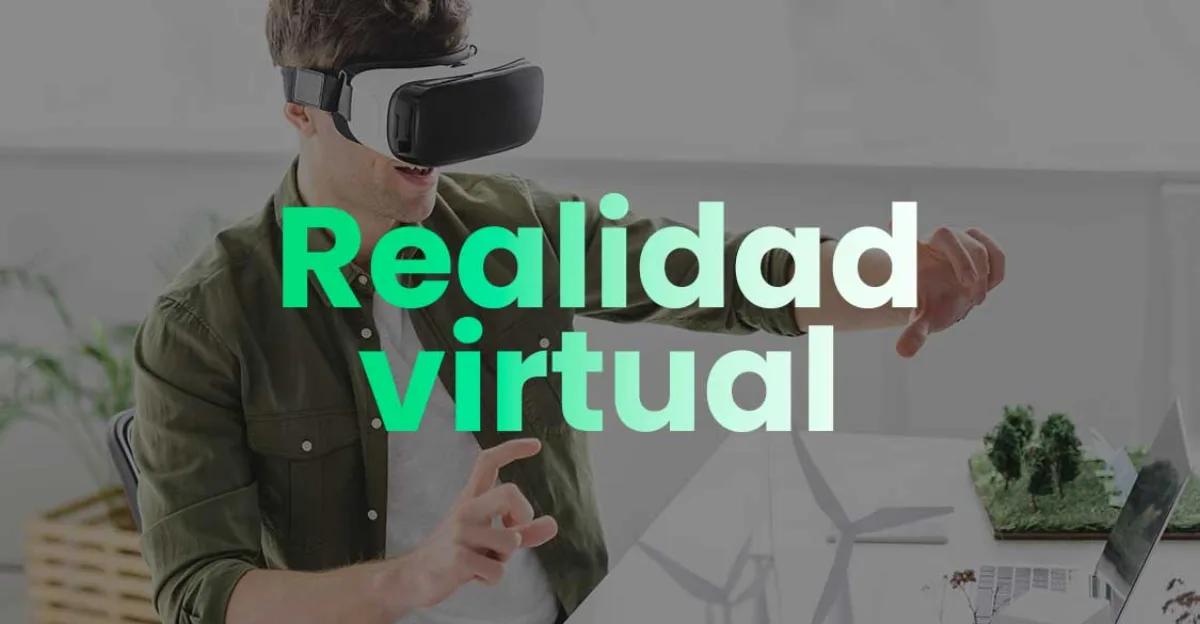
VR is a technology that has earned a prominent place in education thanks to its ability to create immersive, realistic experiences. The virtual environments VR generates let students explore concepts in science, history, and math in a tangible way. This not only makes learning more engaging but also improves knowledge retention.
VR and Digital Literacy in Academic Management
Combining VR and digital literacy has a profound impact on the academic management of educational institutions:
Efficient resource management: VR is used in teacher training and resource management. For example, institutions can use virtual simulations to train teachers for real-world situations, saving time and resources.
Virtual Learning Environments: VR lets teachers create immersive learning experiences. Students can explore ancient Rome or the solar system interactively, which sparks their curiosity and deepens their understanding.
Online Learning Platforms: Digital literacy is essential for managing online learning platforms. Teachers can upload course materials, schedule assignments, and track student progress effectively.
Class and Event Coordination: Digital academic management tools make it easier to schedule classes and events. Students can enroll in courses, receive notifications, and access resources more efficiently.
Performance Assessment: VR is used to assess student performance in virtual environments, providing valuable data for academic management. This makes it possible to identify areas for improvement and personalize instruction.
You may be interested in: EdTech: How Technology Is Changing the Educational Landscape
The metaverse in education
One example of the convergence of VR and digital literacy is the creation of educational environments within the metaverse, a constantly expanding virtual space where users can interact online. Imagine a group of students exploring a digital recreation of the Louvre Museum in Paris to study famous works of art. Each student uses a personalized avatar to walk through the museum's galleries, read about the paintings, and discuss them with classmates, all from the comfort of home.
This kind of experience is possible thanks to VR and digital literacy. Students need to be familiar with online navigation tools, virtual interactions, and managing their own learning in a digital environment. Combining these skills with VR technology offers a new level of immersion and engagement that can transform education.
Virtual reality (VR) in the classroom offers a number of significant advantages that transform the learning experience. Here are some of the main ones:
- Immersive learning experiences
- Active learning
- Access to global resources
- Motivation and engagement
- Preparation for the future
Exploring success stories
VR not only enriches the learning process; it has also been shown to improve knowledge retention and student participation in the classroom. These success stories are a testament to the transformative potential of virtual reality in education.
Harvard University, for example, uses virtual reality for immersive language learning and to pair it with an understanding of a new culture.
Giza University uses augmented reality: its History and Archaeology students use this technology to research and share their findings through three-dimensional reconstructions.
At the Monterrey Institute of Technology, the Medicine program uses the 3D Organon VR Anatomy app, which provides a comprehensive view of the human body.
In short, the combination of virtual reality and digital literacy is emerging as a complete solution for academic management in this new era. Educational institutions that embrace these technologies not only make their management more efficient, but also give students an enriched and highly effective learning experience. VR is proving to be a powerful tool for preparing the next generation of digital leaders and professionals. Academic management is no longer just about administering data; it's about leveraging innovative technologies to shape the future of education.
Phidias: committed to better education, with more than 18 years of experience helping build outstanding educational institutions. Contact us and find out how we can help you.